UX Research


Says
"Manually photographing every item sounds like a whole weekend project... maybe if I could do it gradually."
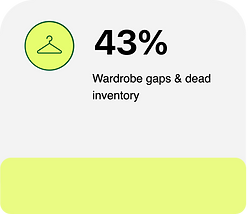
"I probably only wear about 20% to 30% of the items I actually own."
"I’d like to be able to master the difference between wearing and styling, and to have the optimal wardrobe to support it."

Thinks
-
I don't have the mental energy to mix and match right now. It's safer to stick to the uniform I already know works.
-
An AI probably won't understand my specific body proportions or the weird transition weather we have here.

Does
-
Defaults to the same 2-3 "safe" go-to outfits during the morning rush to avoid stress.
-
Invents creative constraints (like "Purple Wednesdays") to manually reduce the daily cognitive load of getting dressed.

Feels
-
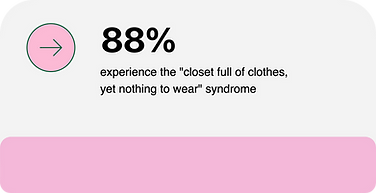
Overwhelmed by the sheer volume of choices that no longer match their current lifestyle.
-
Guilty For hoarding expensive "White Elephants" that just sit on hangers.
-
Insecure when clothes no longer fit due to natural body fluctuations.
-
Uninspired by their own repetitive styling choices, feeling a loss of personal flair.
Research Summary & Design Goals
The research revealed a clear reality: the core problem isn't a lack of clothing, but the heavy cognitive load
of the daily dressing routine. Users are overwhelmed by visual clutter and default to repetitive styling habits just to avoid morning stress. To truly solve this, the app must evolve from a passive storage database into a proactive styling assistant.
1. Bypass the "Mass Upload" Barrier
The anticipated effort of manually photographing and tagging an entire wardrobe upfront prevents 50% of users from even trying an app.
The Goal: Eliminate this hurdle by designing for gradual, micro-habit data entry (like a "Daily Selfie") and frictionless e-commerce syncing.
2. Solve the Decision Fatigue Paradox
Users wear less than 50% of their clothes, defaulting to "safe" outfits because a chaotic closet drains their mental energy in the morning.
The Goal: Provide contextual, time-based prompts (like nighttime curation) to intervene before the morning rush, drastically reducing daily cognitive load.
3. Elevate Style over Utilitarian Storage
Users seek style elevation (71%) over mere organization (44%). They demand to see their actual garments styled together, rejecting generic AI illustrations.
The Goal: Ensure the UI reflects a premium, editorial aesthetic. Treat existing pieces with the visual respect of a fashion magazine, making discovery inspiring rather than a chore.